Cheese has been captivating taste buds and sparking curiosity for thousands of years, but along the way, plenty of myths and misconceptions have accumulated around this beloved dairy product. From tales of mice obsessions to fears about cholesterol, it’s time to separate fact from fiction and discover what’s really true about cheese.
The Mouse Myth: Do Rodents Really Love Cheese?
Perhaps the most pervasive cheese myth comes straight from cartoons and popular culture: mice absolutely adore cheese. Tom chases Jerry through elaborate cheese-filled scenarios, and countless stories feature mice risking life and limb for a nibble of cheddar. The reality? Mice actually prefer foods high in sugar and carbohydrates, like grains, fruits, and cereals.
Research has shown that when given a choice, mice will typically ignore cheese in favor of chocolate, peanut butter, or even bacon. The myth likely originated because cheese was commonly stored in pantries and cellars where mice would encounter it, leading people to assume it was their preferred food. In truth, hungry mice will eat almost anything available, but cheese wouldn’t make their top ten list of favorite snacks.
The Moon Connection: Is It Really Made of Green Cheese?
The phrase “the moon is made of green cheese” has been around since the 16th century, but it was never meant to be taken literally. “Green cheese” didn’t refer to the color—it described fresh, unaged cheese that was white or pale yellow. The expression was actually used to point out something obviously absurd, similar to how we might say “when pigs fly” today.
This metaphor gained popularity because early telescopes revealed the moon’s cratered surface, which some thought resembled the holes and texture found in certain cheeses. The saying persisted through literature and folklore, eventually becoming a beloved part of children’s stories and space-age humor.
Health Myths: Separating Nutritional Facts from Fiction
Cheese has faced its share of health-related misconceptions. One persistent myth suggests that cheese is simply “bad for you” due to its fat and cholesterol content. While cheese is indeed high in saturated fat, recent research has nuanced our understanding of dairy fats and their effects on health.
Studies have shown that the calcium in cheese can actually help the body process fats more efficiently, and fermented cheeses contain beneficial probiotics that support digestive health. Cheese also provides high-quality protein, vitamin B12, and phosphorus. The key, as with most foods, lies in moderation rather than complete avoidance.
Another common misconception is that all cheese is high in lactose. Many aged cheeses like cheddar, parmesan, and gouda actually contain very little lactose because the aging process breaks down most of the milk sugar. People with mild lactose intolerance can often enjoy these varieties without discomfort.
Color Confusion: Why Is Some Cheddar Orange?
Many people assume that orange cheddar is somehow different from white cheddar in terms of flavor or quality, but the color difference is purely cosmetic. Traditional cheddar cheese is naturally white or pale yellow, depending on the cow’s diet and the season when the milk was produced.
The orange color comes from annatto, a natural coloring agent derived from the seeds of the achiote tree. This practice began in England centuries ago when cheesemakers wanted to create a consistent appearance year-round, since spring milk naturally produced more golden cheese due to cows grazing on fresh grass rich in beta-carotene. Today, the orange coloring is largely a matter of regional preference and marketing tradition.
The Mold Question: Is Moldy Cheese Safe to Eat?
The sight of mold on cheese can be alarming, but the rules around moldy cheese are more nuanced than many people realize. With hard cheeses like cheddar or parmesan, you can safely cut away the moldy portion (plus an inch around it) and eat the rest. The dense texture of hard cheese prevents mold roots from penetrating deeply.
However, soft cheeses like brie, ricotta, or cream cheese should be discarded entirely if mold appears, as their high moisture content allows mold to spread throughout. The exception is cheese that’s supposed to have mold, like blue cheese or brie, where specific mold cultures are intentionally added during production under controlled conditions.
Aging and Flavor: Does Older Always Mean Better?
While many cheeses do develop more complex flavors as they age, the idea that older is always better is oversimplified. Each cheese has an optimal aging period that brings out its best characteristics. Fresh mozzarella is meant to be eaten young and mild, while a five-year aged gouda develops crystalline textures and deep, caramel-like flavors that would be impossible to achieve in a younger cheese.
Some cheeses, like camembert, actually peak in flavor and then begin to deteriorate if aged too long. The art of cheesemaking involves knowing exactly when each variety reaches its perfect moment, which can range from days to several years depending on the type.
Wine Pairing Wisdom: Red Wine and Cheese Aren’t Always Perfect Partners
The assumption that red wine automatically pairs well with cheese is another persistent myth. While some combinations work beautifully, the tannins in red wine can clash with the proteins and fats in many cheeses, creating an unpleasant metallic or bitter taste.
White wines, champagne, and even beer often complement cheese better than red wine. The acidity in white wine cuts through rich, creamy cheeses, while the effervescence in champagne cleanses the palate between bites. The key is matching intensity levels and complementary flavors rather than following rigid color-based rules.
The Hole Truth About Swiss Cheese
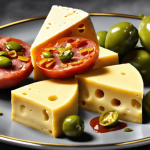
Swiss cheese holes, known as “eyes,” have spawned their own set of misconceptions. Some people believe mice nibble the holes (connecting back to our first myth), while others think they’re created by air bubbles during churning. In reality, the holes form when specific bacteria consume lactic acid in the cheese and release carbon dioxide gas.
These bacteria, primarily Propionibacterium shermanii, are intentionally added during Swiss cheese production. The size and number of holes depend on factors like temperature, aging time, and the activity level of the bacteria. Interestingly, modern sanitation practices have actually made it harder to achieve the traditional large holes, as the bacteria need tiny particles in the milk as nucleation sites.
Global Cheese Myths and Cultural Misconceptions
Different cultures have developed their own cheese-related beliefs. In some parts of Asia, cheese was historically viewed with suspicion due to its fermented nature and strong odors, leading to myths about it being spoiled milk. Today, as global cuisine becomes more interconnected, these cultural barriers are breaking down, and artisanal cheese appreciation is growing worldwide.
Similarly, the idea that certain countries “don’t do cheese” is rapidly becoming outdated. While traditional cheese consumption was indeed limited in some regions due to historical factors like lactose intolerance prevalence or religious dietary laws, modern global food culture has introduced cheese appreciation to virtually every corner of the world.
The Science Behind the Stories
Understanding the real science behind cheese helps dispel many myths while making the facts even more fascinating than the fiction. Cheese-making is essentially controlled spoilage, where specific bacteria and enzymes transform milk proteins and fats into completely new textures and flavors. This ancient biotechnology predates written history but continues to evolve with modern scientific understanding.
The complexity of cheese science explains why so many myths persist—the transformation from liquid milk to solid cheese seems almost magical, making it easy for folklore and misconceptions to fill in the gaps in common knowledge.
Cheese remains one of humanity’s most successful food preservation techniques, a source of crucial nutrients, and a canvas for endless culinary creativity. By understanding the facts behind the myths, we can appreciate both the rich cultural history of cheese and the fascinating science that makes each variety unique. Whether you prefer a simple grilled cheese sandwich or an elaborate cheese board, knowing the truth behind these common misconceptions only makes each bite more interesting.